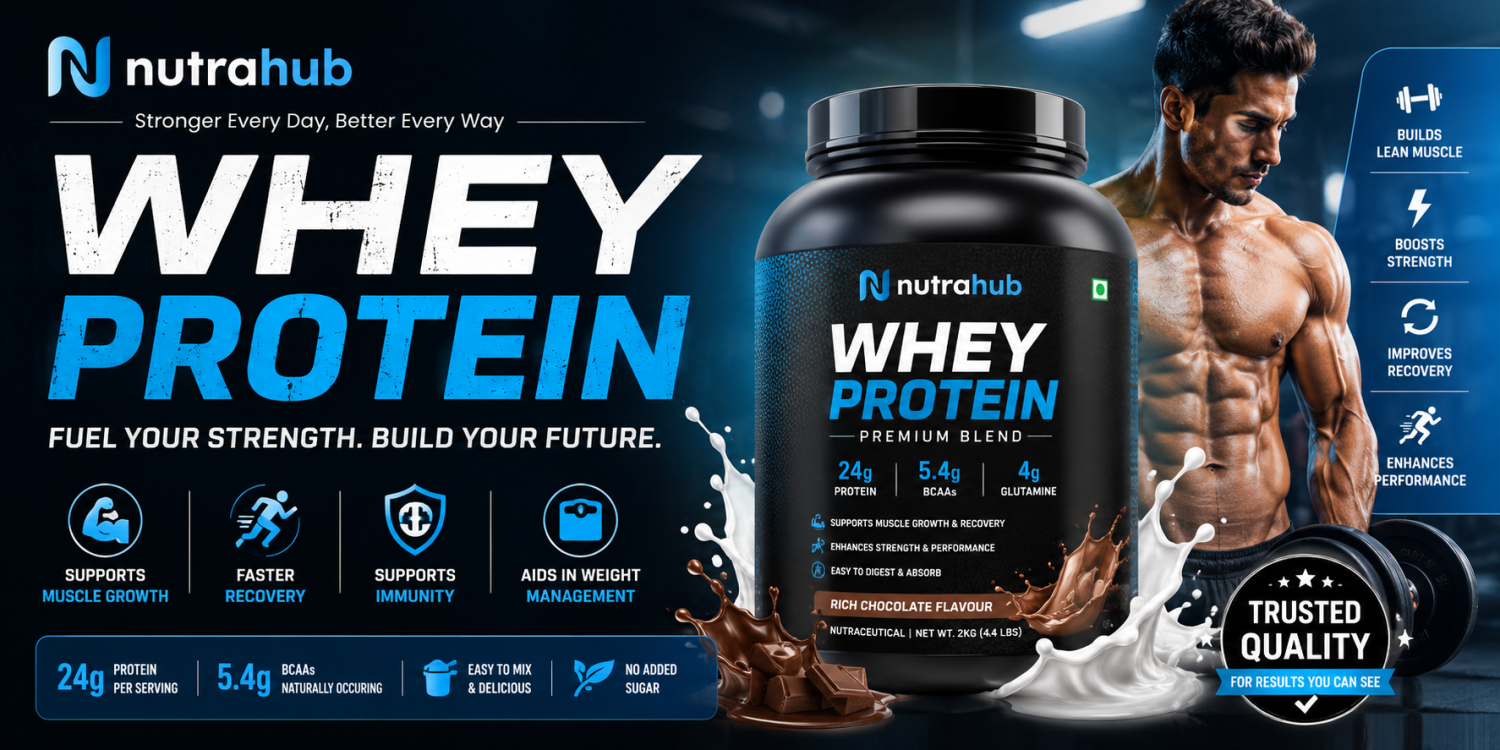
Benefits of Whey Protein: A Complete Guide 2926

Benefits of Whey Protein: A Complete Guide
Whey protein is one of the most popular protein supplements among athletes, gym-goers, and people looking to improve their daily nutrition. It is a high-quality protein derived from milk and contains all nine essential amino acids needed by the body.
While whey protein is not a replacement for a balanced diet, it can be a convenient way to help meet your daily protein requirements. Here are some of the key benefits of whey protein.
1. Supports Muscle Growth
One of the primary reasons people consume whey protein is to support muscle growth.
Whey is rich in essential amino acids, particularly leucine, an amino acid that plays an important role in stimulating muscle protein synthesis. Consuming enough protein alongside resistance training can help provide the nutrients your muscles need to repair and grow.
2. Helps Muscle Recovery
Exercise, especially resistance training, creates stress on muscle tissue. Adequate protein intake provides amino acids that help the body repair this tissue.
Whey protein is quickly digested and provides amino acids to the body relatively quickly, making it a convenient option after training or whenever you need an easy source of protein.
3. Helps Meet Daily Protein Requirements
Getting enough protein entirely from regular meals can sometimes be difficult, especially for people with busy schedules.
A whey protein shake can provide a convenient source of high-quality protein without requiring extensive preparation. It can be added to a breakfast, consumed as a post-workout shake, or used as a snack between meals.
4. Supports Healthy Weight Management
Protein is generally more filling than carbohydrates or fats and can help you feel satisfied between meals.
Including adequate protein in your diet may therefore make it easier to manage hunger while maintaining muscle mass during a calorie-controlled diet. However, whey protein itself is not a weight-loss product—the overall calorie balance and quality of your diet matter most.
5. Provides High-Quality Protein
Whey is considered a complete protein, meaning it contains all nine essential amino acids that the body cannot produce on its own.
This makes whey particularly useful for people who want a convenient, protein-rich addition to an already balanced diet.
6. Convenient and Easy to Consume
One of the biggest advantages of whey protein is convenience.
Preparing a protein-rich meal isn't always practical after a workout or during a busy workday. Mixing whey protein with water or milk takes only a few seconds, making it an easy way to add protein to your diet.
7. May Support Muscle Maintenance
As we age, maintaining muscle becomes increasingly important. Regular resistance training combined with adequate protein intake can help support muscle maintenance.
Whey protein can be a practical way to increase protein intake when normal meals aren't providing enough.
Whey Protein Concentrate vs. Isolate
The two common forms of whey protein are Whey Protein Concentrate (WPC) and Whey Protein Isolate (WPI).
Whey Protein Concentrate generally contains a little more lactose, fat, and carbohydrates alongside the protein.
Whey Protein Isolate undergoes additional processing to remove more of the non-protein components, resulting in a higher protein concentration and typically less lactose.
The right choice depends on your dietary needs, preferences, budget, and tolerance.
How Much Whey Protein Should You Take?
There is no universal amount of whey protein that everyone needs.
Your total daily protein requirement depends on factors such as body weight, age, activity level, training goals, and overall diet. Whey should be viewed as a supplement to your food—not as a substitute for nutritious meals.
For people who exercise regularly, spreading protein intake across meals and snacks can be a practical approach to supporting muscle recovery and maintenance.
When Should You Take Whey Protein?
There is no single "perfect" time to consume whey protein.
You can take it:
After a workout
With breakfast
Between meals
When you're short on protein from regular food
As part of a convenient high-protein snack
What matters most is your overall daily protein intake, rather than relying on a specific timing window.
Is Whey Protein Safe?
For most healthy people, whey protein can be safely included as part of a balanced diet when consumed appropriately.
However, people with milk allergies, certain medical conditions, or specific dietary restrictions should consult a qualified healthcare professional before using whey protein.
It's also important to choose products from reputable manufacturers and check the nutrition and ingredient labels.
Final Thoughts
Whey protein is more than just a supplement for bodybuilders. It is a convenient, high-quality source of complete protein that can support muscle growth, recovery, muscle maintenance, and overall protein intake.
The key is to remember that whey protein works best as part of a balanced diet and consistent exercise routine. Your overall nutrition, training, sleep, and lifestyle will have a much greater impact on your results than any individual supplement.
If meeting your daily protein target through food is difficult, whey protein can be a simple and practical addition to your nutrition routine.
Recent Posts