
Whey Protein: The Ultimate Guide to Building Muscle, Recovery & Better Nutrition
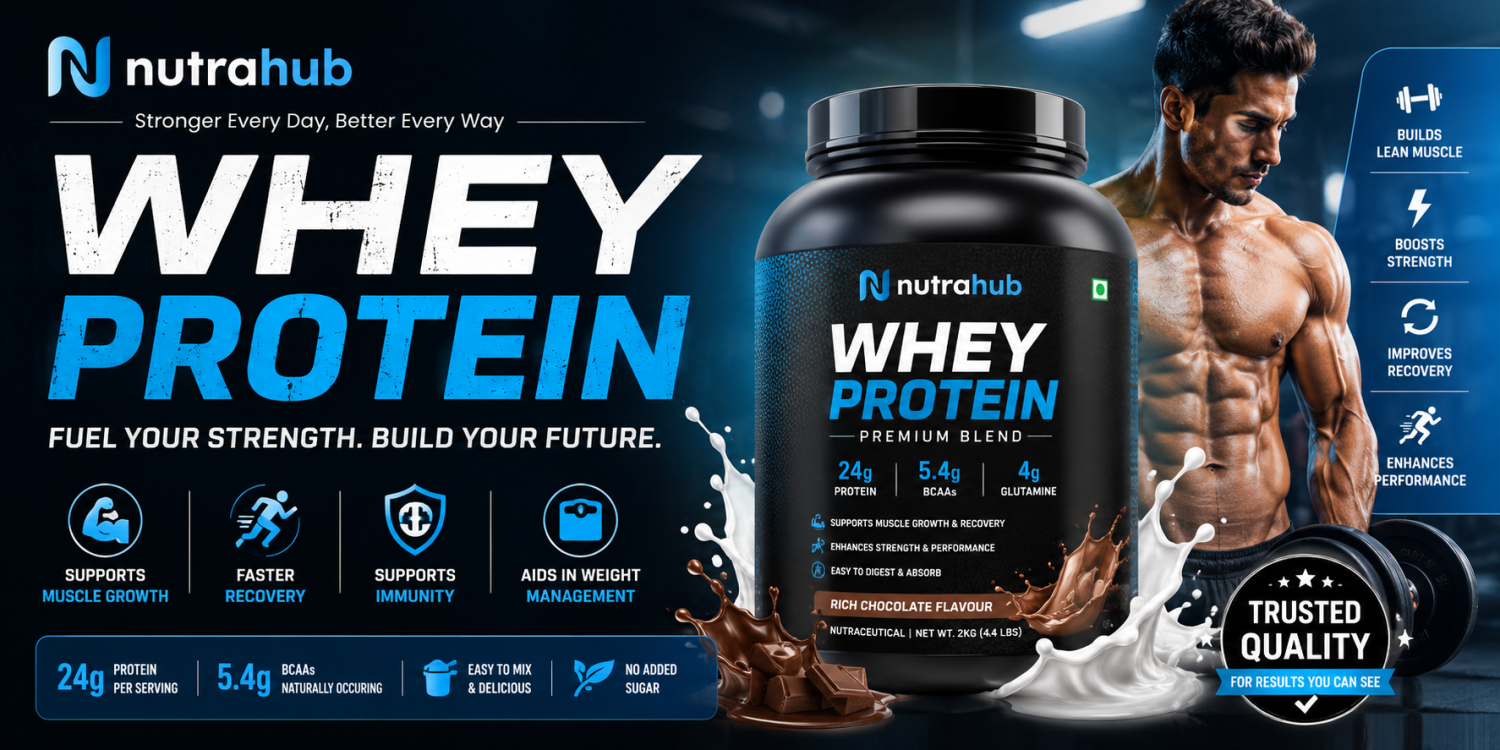
Whey Protein: The Ultimate Guide to Building Muscle, Recovery & Better Nutrition
In today's fast-paced lifestyle, maintaining adequate daily protein intake can be challenging. Whether you're a fitness enthusiast, athlete, or someone looking to improve overall health, whey protein has become one of the most trusted nutritional supplements worldwide.
Whey protein is a high-quality protein derived from milk during the cheese-making process. It contains all nine essential amino acids and is quickly absorbed by the body, making it one of the most effective protein sources available.
What is Whey Protein?
Whey protein is the liquid portion of milk that separates during cheese production. After processing and purification, it is converted into a protein-rich powder that can be mixed with water, milk, smoothies, and various foods. It is considered a complete protein because it contains all essential amino acids required by the human body.
Key Benefits of Whey Protein
1. Supports Muscle Growth
Whey protein is rich in Branched-Chain Amino Acids (BCAAs), especially leucine, which plays a critical role in muscle protein synthesis. Combined with resistance training, whey protein can help increase muscle mass and strength.
2. Faster Muscle Recovery
After intense workouts, muscles require nutrients to repair and grow. Whey protein delivers amino acids quickly, helping support recovery and reduce post-workout muscle soreness.
3. Helps Maintain Lean Muscle
During weight loss programs, maintaining muscle mass is essential. Adequate protein intake, including whey protein supplementation, helps preserve lean muscle while supporting fat loss goals.
4. Supports Weight Management
Protein increases feelings of fullness and can help reduce hunger between meals. Whey protein may support healthy weight management by improving satiety and helping individuals maintain calorie-controlled diets.
5. Convenient Daily Nutrition
Many people struggle to consume sufficient protein from food alone. Whey protein offers a convenient way to increase daily protein intake and support active lifestyles.
Types of Whey Protein
Whey Protein Concentrate (WPC)
- Typically contains 70–80% protein.
- Retains more natural nutrients.
- Great for general fitness and everyday use.
Whey Protein Isolate (WPI)
- Contains 90% or more protein.
- Lower in carbohydrates and fat.
- Suitable for individuals seeking lean muscle support.
Whey Protein Hydrolysate (WPH)
- Pre-digested for faster absorption.
- Often used in advanced sports nutrition products.
Who Can Benefit from Whey Protein?
- Athletes and bodybuilders
- Fitness beginners
- Active professionals
- Individuals looking to increase protein intake
- People focused on healthy aging and maintaining muscle mass
How to Use Whey Protein
For most healthy adults, whey protein can be consumed:
- After workouts for recovery
- Between meals as a protein-rich snack
- At breakfast to increase daily protein intake
- As part of smoothies and healthy recipes
The ideal daily protein requirement depends on age, activity level, and fitness goals. Consistency with a balanced diet and regular exercise remains the most important factor for achieving results.
Tips for Choosing a Quality Whey Protein
When selecting a whey protein supplement, consider:
- Protein content per serving
- Ingredient transparency
- Low added sugar
- Third-party quality testing
- Amino acid profile
- Digestibility and taste preferences
Recent Posts